What is Data Acquisition?
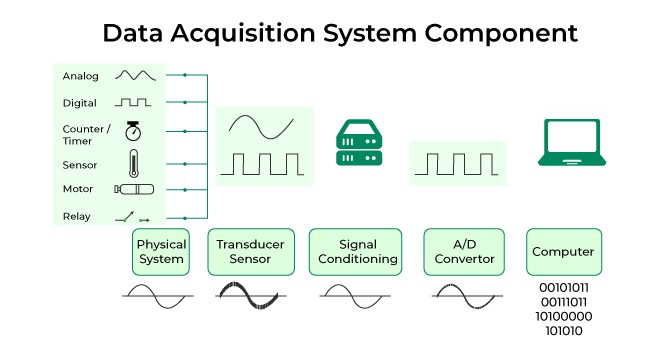
Data Acquisition System (DAQ) is a system consisting of sensors, measuring devices, and a computer. Its purpose is to acquire and process data necessary to understand electrical or physical phenomena. This system plays a crucial role in tasks such as monitoring the temperature of a heating coil to assess its efficiency.
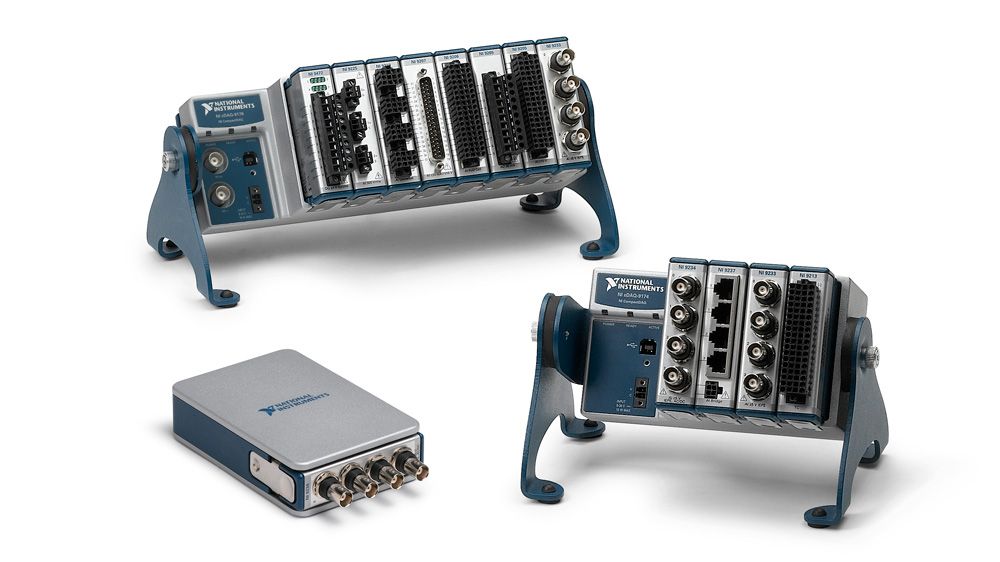
Data acquisition, also known as the process of collection of information, enables the rapid capture, processing, and storage of data thanks to specialized software. This process allows scientists and engineers to conduct in-depth analyses for scientific and engineering purposes. Data acquisition systems are available in portable or remote-access versions to suit different measurement needs. While portable systems are suitable for direct interaction with objects, remote access systems offer the advantage in performing long-distance measurements.
What does a data acquisition system measure?
Data acquisition systems are versatile tools used to measure various parameters, primarily derived from analog signals. These measurements are of utmost importance in various applications and are converted into digital format so that they can be processed by a computer.
Some common parameters measured by data acquisition systems include:
- Current
- Voltage
- Strain
- Frequency
- Pressure
- Temperature
- Distance
- Vibration
- Angles
- Digital signals
- Weight and more
Specialized sensors or modules can be used to accurately and effectively measure specific parameters. Typically, the initial measurement is taken via voltage and can be converted into other parameters such as temperature or displacement. Owing to data acquisition modules and suitable sensors, virtually every type of measurement need can be satisfied. This flexibility makes data acquisition systems highly customizable and adaptable to different contexts.
The Importance of Data Acquisition Systems
Data acquisition systems are of utmost importance in many different fields and industries. Main reasons for this are as follows:

- Accurate Data Acquisition
They enable the acquisition of accurate and consistent data from sensors and various sources. This reduces human error and ensures the accuracy of the information obtained.

- Real-time monitoring
They allow for instant monitoring of processes. This enables a rapid response to changing conditions, enhancing safety and improving operational efficiency.

- Quality Control
They play a crucial role in quality control processes in manufacturing and industrial settings. They inspect the compliance of the products with the specified standards.

- Research and Development
They provide vital data for experiments, simulations, and the development of new technologies.

- Environmental Monitoring
In environmental studies, data acquisition helps to assess pollution levels, climate conditions, and the impact of human activities on ecosystems.

- Medical Applications
They help in making accurate diagnosis by monitoring the patient’s vital signs and support the development of medical devices and treatments.

- Automation
Acquiring data enables machines and systems to operate efficiently without the need for human intervention. This is among the cornerstones of automation processes.

- Data Storage and Access
They enable the storage and easy access of historical data for analysis, compliance, and auditing purposes.

- Energy Management
They support more efficient energy management and savings by monitoring production, distribution, and consumption processes in the energy industry.
Data acquisition systems optimize processes and enhance decision-making processes by being utilized across a wide spectrum, from science to industry, and from medicine to energy management.