
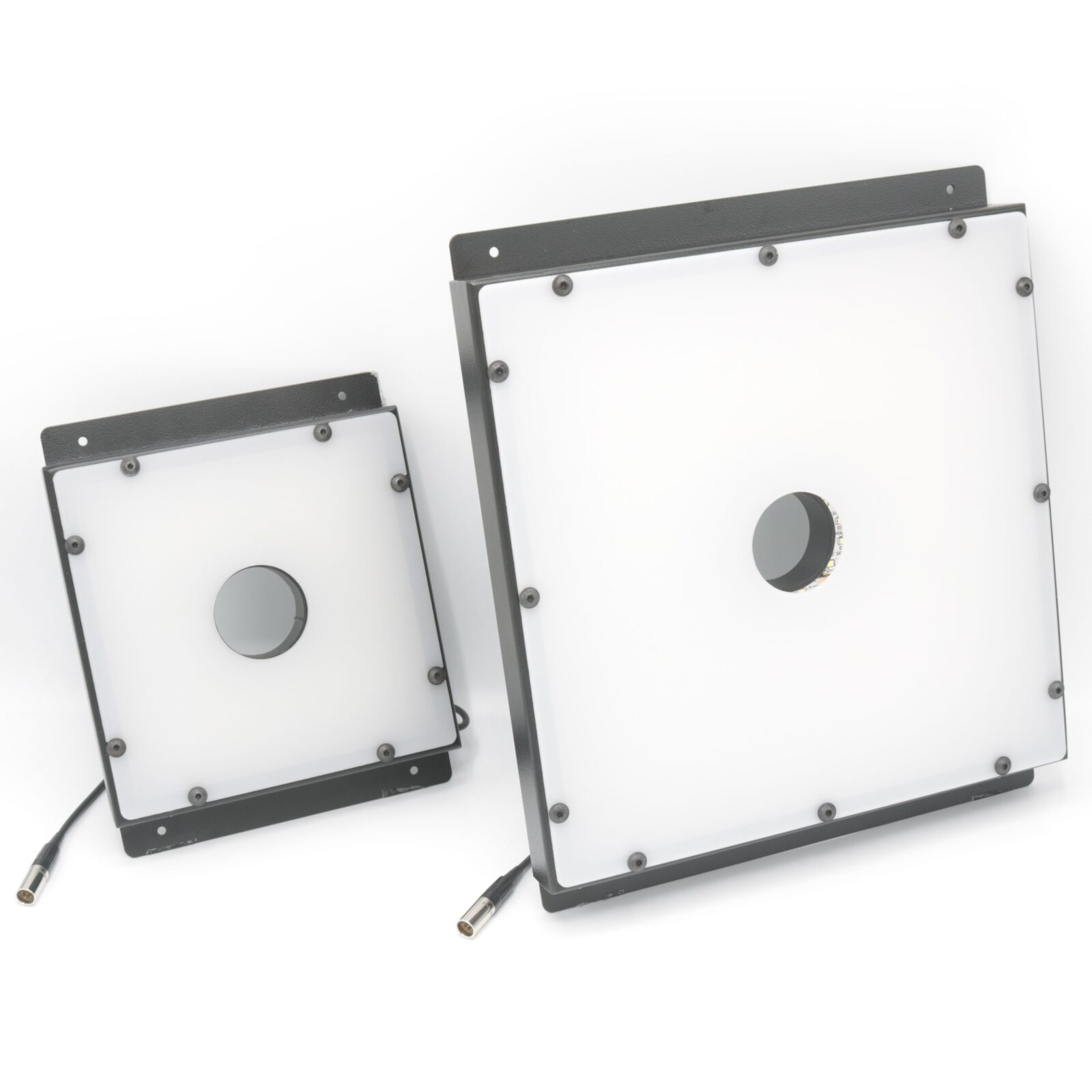
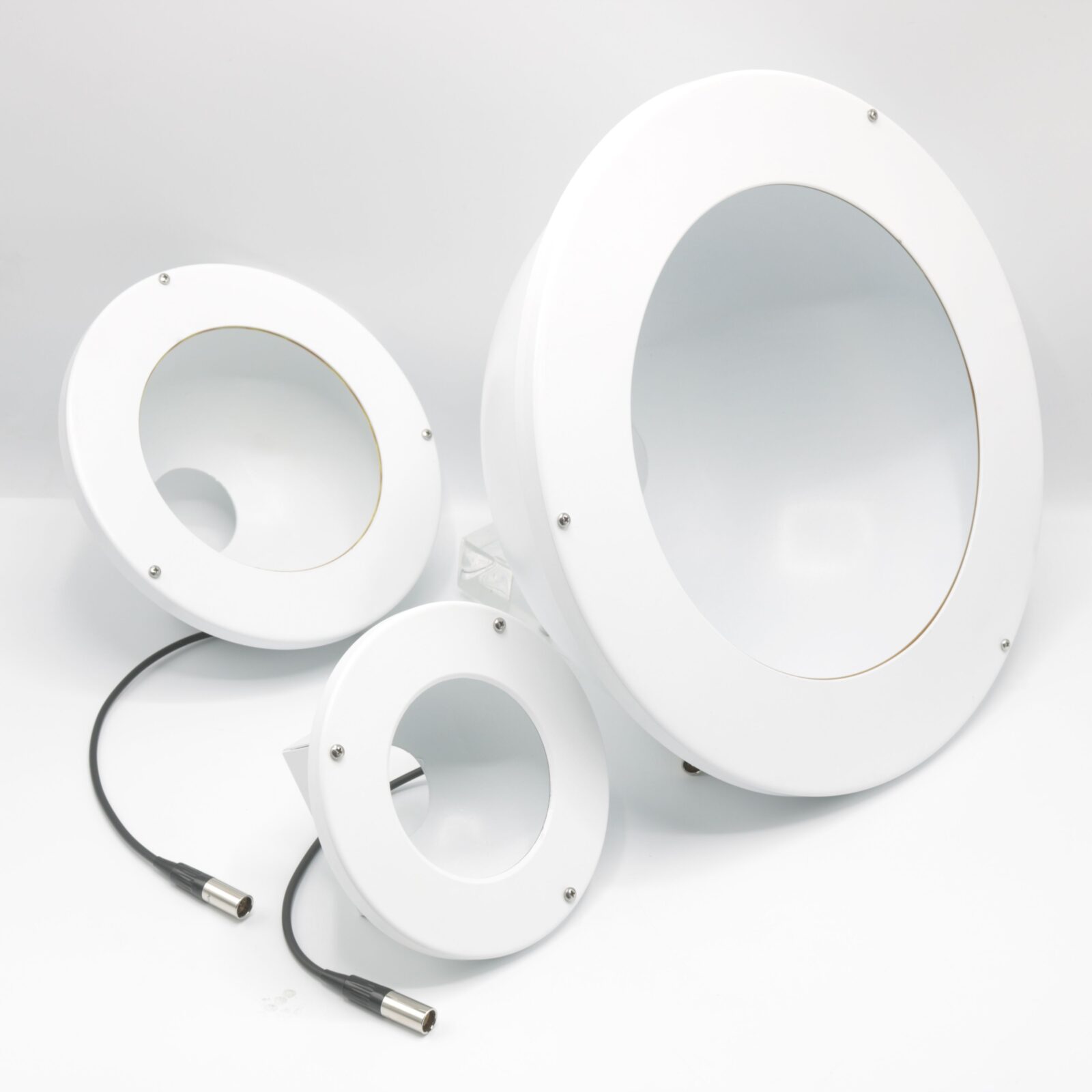
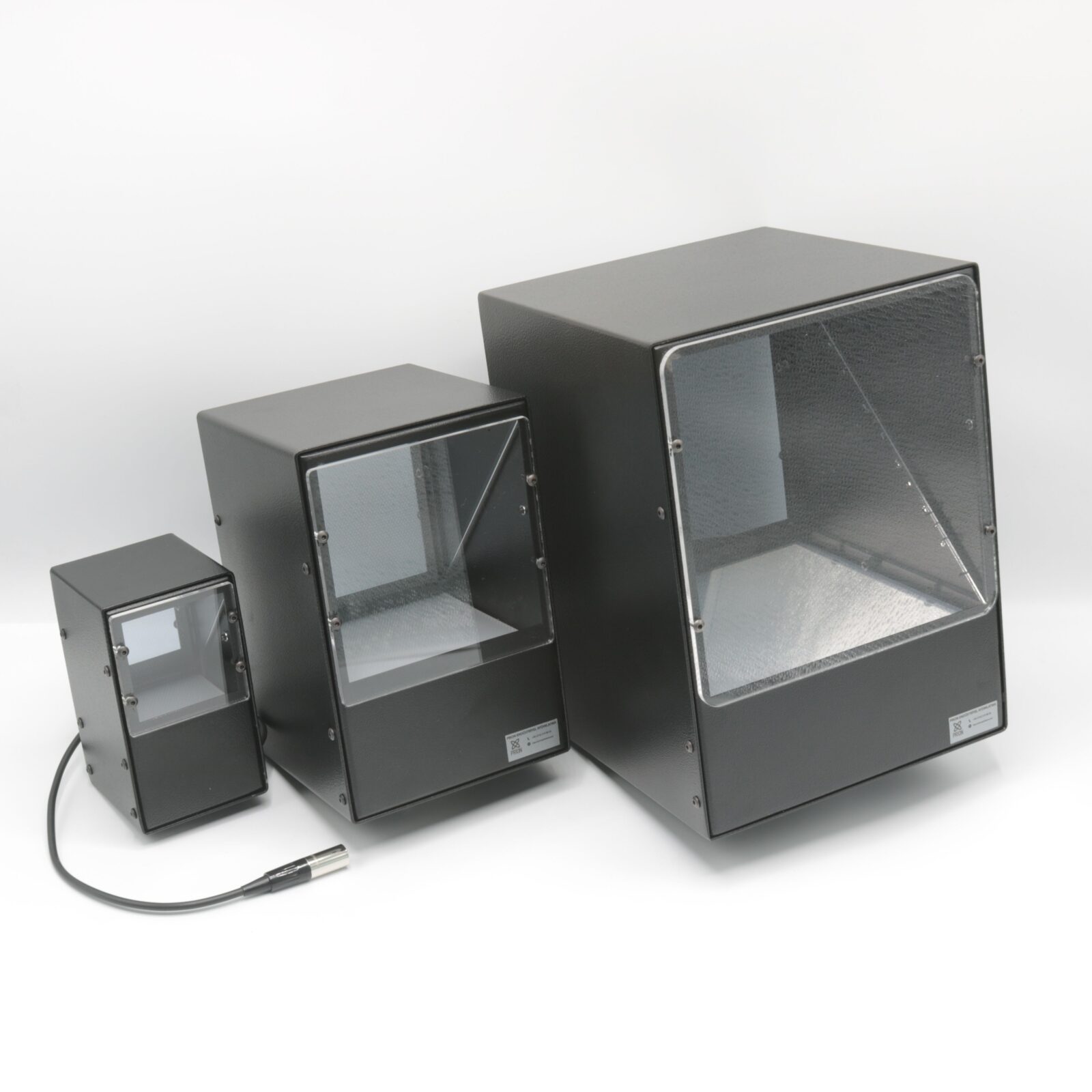
Industrial optical lighting equipment consists of specialized light sources playing a critical role in manufacturing and image processing, helping to obtain accurate and high-quality images. This equipment is used to detect faults, improve quality control processes, and increase the efficiency of automation systems.
Advantages of Industrial Optical Lighting Equipment
- High Contrast and Clarity
They provide precise imaging by revealing the details of objects more clearly.
- Faster and More Reliable Quality Control
They support automated fault detection and measurement processes.
- Resistance to Challenging Environmental Conditions
They are resistant to external factors such as dust, temperature changes, and humidity.
- Various Lighting Options
They can be optimized for different applications with various light sources such as LED, laser, fluorescent and halogen.
- Low Energy Consumption
High-efficiency lighting systems reduce energy costs.
Areas of Application

- Automotive Industry
Component inspection and surface testing on assembly lines.

- Food and Packaging Industry
Product verification and quality control on packaging lines.

- Electronics Manufacturing
Circuit board inspection and solder joint analysis.

- Medical and Pharmaceutical Industry
Sterile environment checks and drug packaging verification.
Types of Industrial Lighting
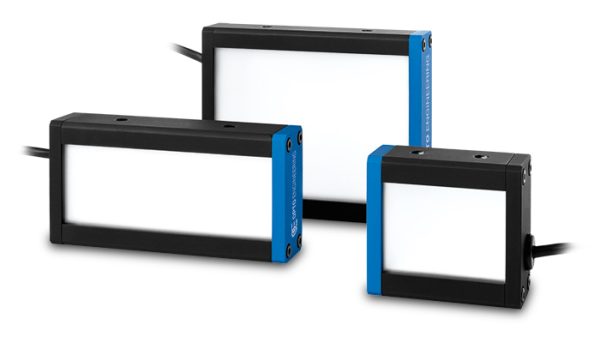
- Surface Lighting
They enable clear viewing of smooth and glossy surfaces.
- Coaxial Lighting
They enhance details on specular reflective surfaces.
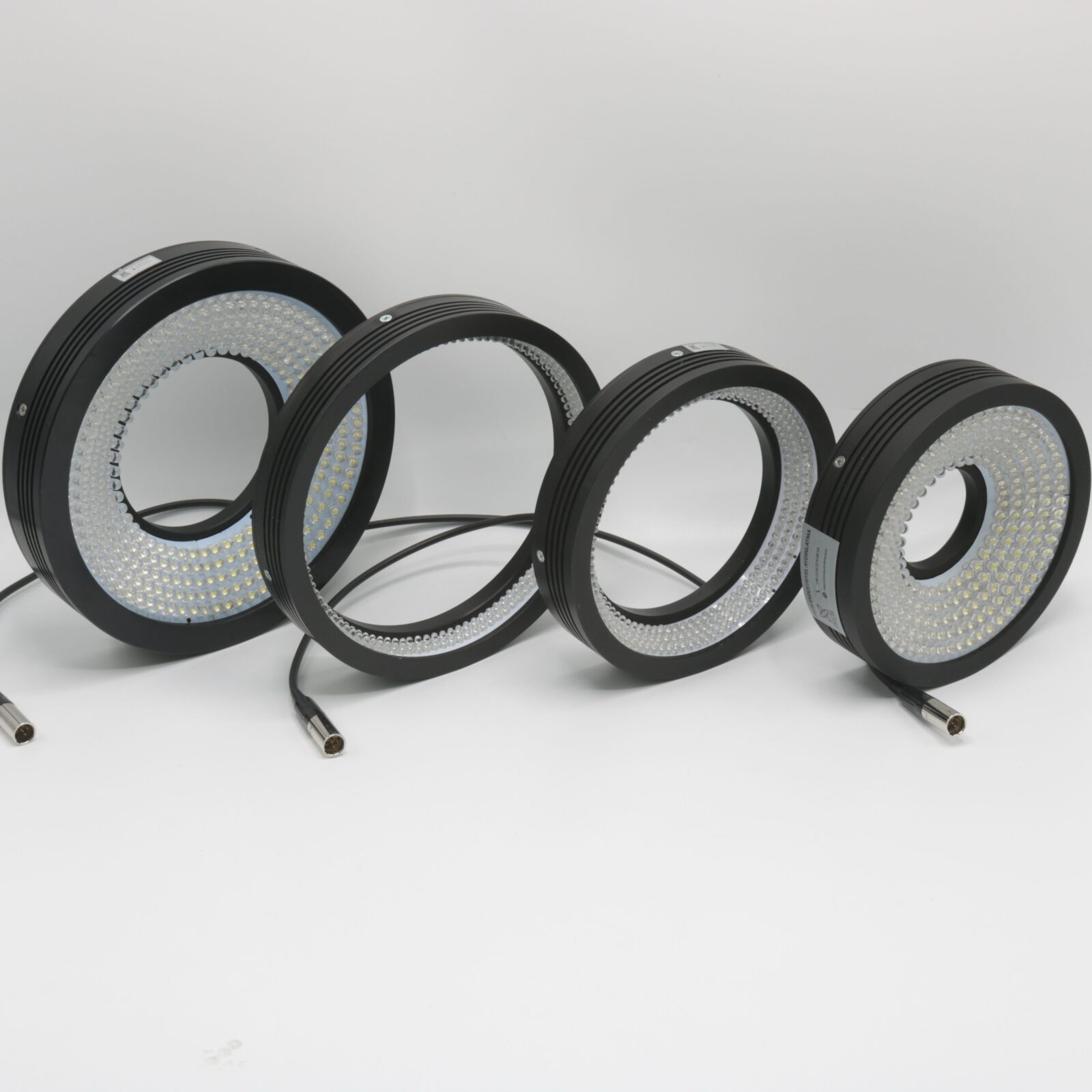
- Ring Lights
They prevent shadow formation by evenly illuminating circular structures.
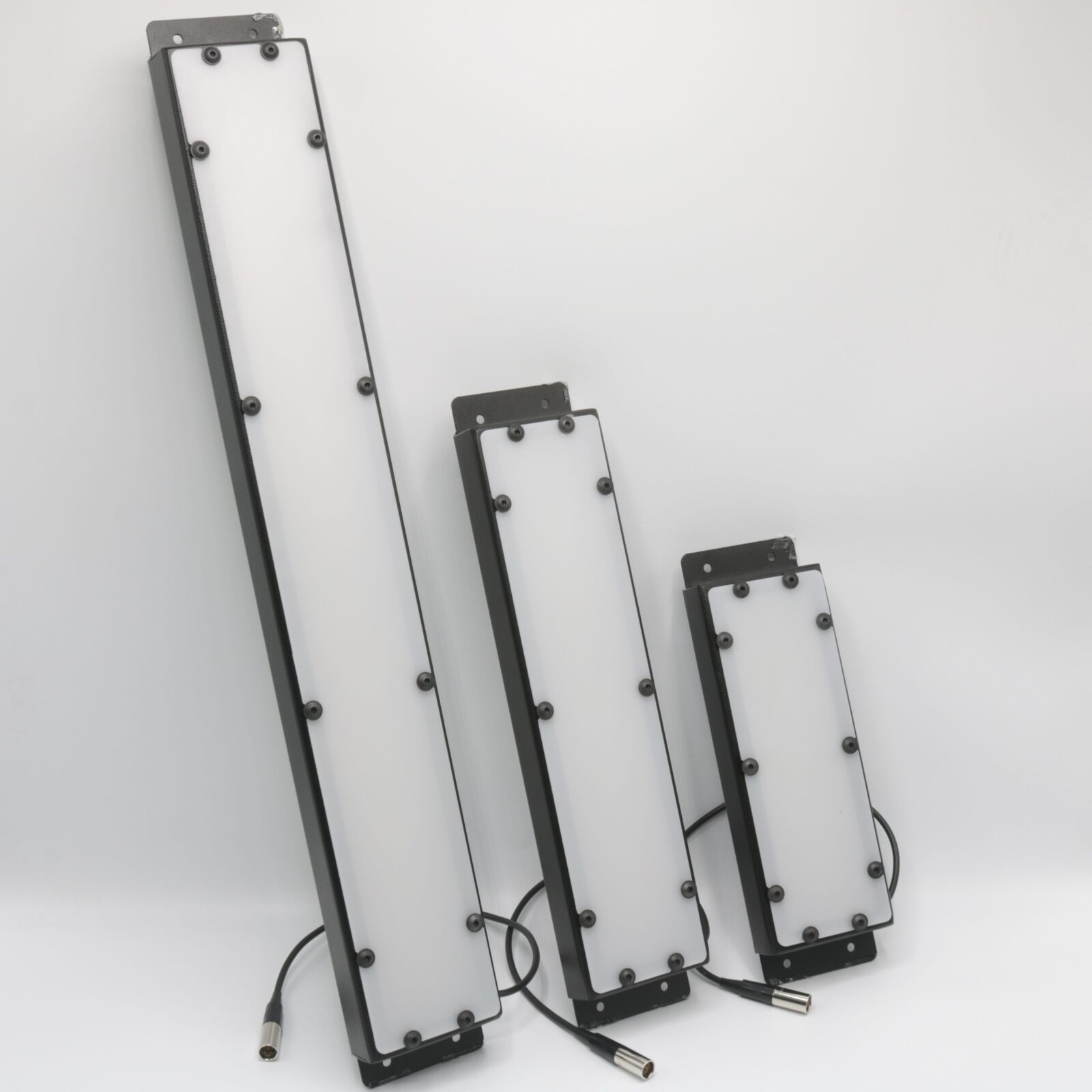
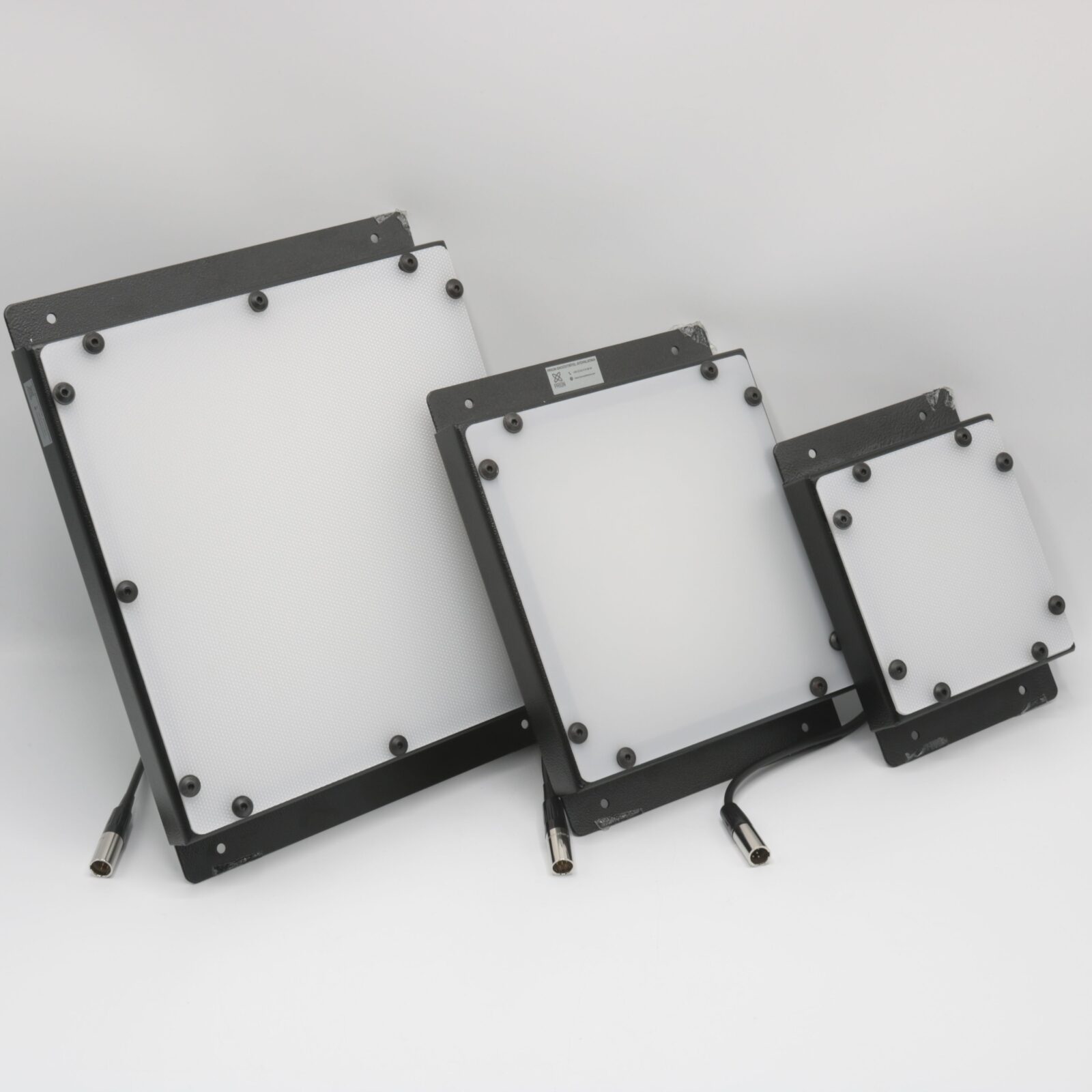
- Backlights
They are used to emphasize the contours of objects.
- Directional Lighting
They reveal surface defects applying light from a specific angle.
Industrial optical lighting equipment, when integrated with image processing systems, minimizes fault rates and increases efficiency in production processes. With the development of technology, more precise and flexible imaging systems are being created thanks to smart lighting solutions.
